
The Sock-Eating Dryer: Where Missing Socks Really Go (And How to Save Them)
Tales From The Lint Trap Every October, ghost stories emerge about haunted houses, eerie shadows, and mysterious footsteps in the attic. But for most households, the most terrifying haunted space isn’t the attic – it’s the laundry room. You toss in an even number of matched pairs, slide the timer…

Why Doesn’t Merino Wool Itch? The Fiber Science Behind Sensitive Foot Comfort
For generations, the word “wool” has carried an unfortunate tactile reputation: bulky, scratchy winter sweaters that leave necklines red and skin itching within minutes. Because of that shared childhood memory, people managing delicate skin, friction sensitivities, or diabetes often eliminate wool from their wardrobes entirely. The prevailing assumption is simple:…
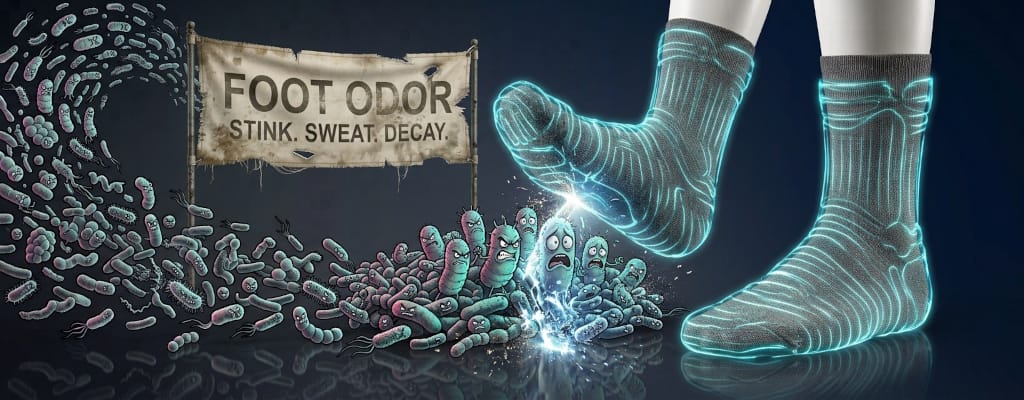
The Ionic Defense: How Silver Knits Inhibit Bacteria and Regulate Temperature
At first glance, integrating precious metals into everyday hosiery sounds more like an aggressive marketing gimmick than serious textile science. When consumers encounter claims about “metal-infused socks,” skepticism is completely reasonable: Does pure metallic silver actually serve a physiological purpose inside footwear, or is it merely an excuse to inflate…
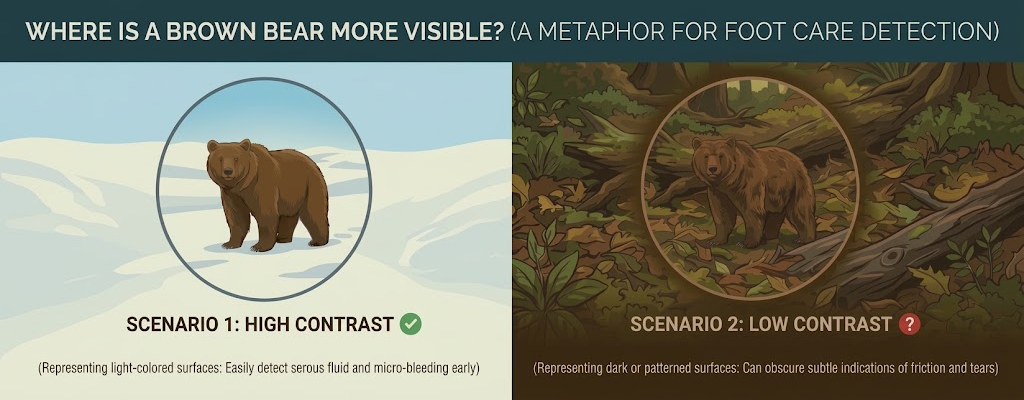
The “White Sock Test”: Spotting PAD and Wound Drainage Early
Every evening, millions of people slip off their socks at the end of a long day without giving them a second glance. Yet for anyone managing diabetes or living with Peripheral Arterial Disease (PAD), that simple piece of everyday fabric can serve as one of the most reliable early-warning monitors…
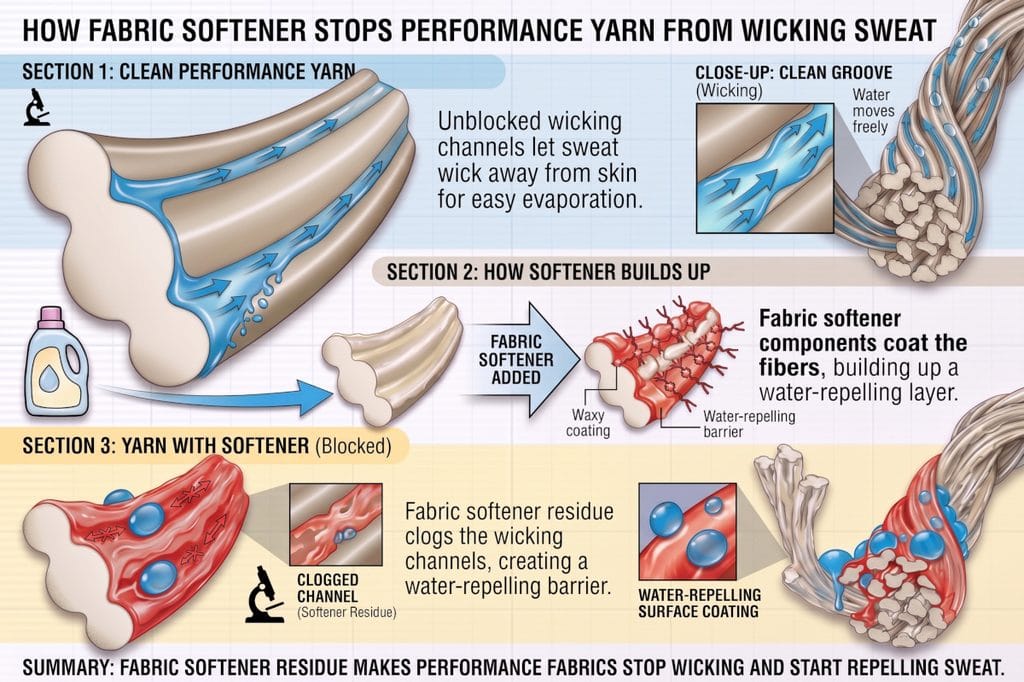
The Laundry Trap: Why Fabric Softener Destroys High-Performance Yarns and Orthotic Knits
That fresh fragrance and silky post-dryer feel might seem like the hallmark of clean laundry, but if you are laundering technical knitwear, fabric softener is quietly sabotaging your gear. Whether it is a pair of non-binding socks, an AFO brace liner, or a form-fitting Bracemate® torso sleeve, medical and athletic…

Understanding Venous Flow & Circulation: How Graduated Support Keeps Legs Energized
If you work long shifts, travel frequently, or spend hours sitting at a desk, you know that heavy, aching feeling in your lower legs by the end of the day. Your heart pumps blood down to your feet through high-pressure arteries. Returning that blood back up to your heart, however,…

Indications For Compression Garments
Compression Level (at Ankle) Indications 15 – 20 mmHg Beneficial for air travel Prophylaxis for pregnancy and legs at risk 20 – 30 mmHg Mild varicosities Mild edema Post-operative 30 – 40 mmHg Moderate to severe varicosities, or edema Post operative Post fracture, or trauma related edema Open venous ulcer…
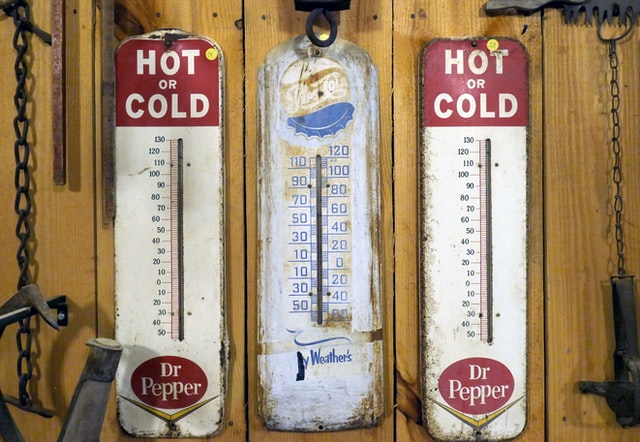
[Legacy] Extreme Heat: What Diabetics Need to Know
We all enjoy summer, but with record-breaking high temperatures being recorded across the U.S — and a deadly heatwave sweeping Europe — it is important for everyone to take care to avoid heat-related ailments. For people with diabetes and other medical conditions, it is even more critical to take extra…

[Legacy] Location, Location, Location: Diabetes and Geography
A new study by Jacques Lowe of the Carle Illinois College of Medicine has shown that Florida and Texas have a high percentage of people with long-term and short-term diabetes complications. Such research could help the government direct medical support to where it is needed most. The findings are also…
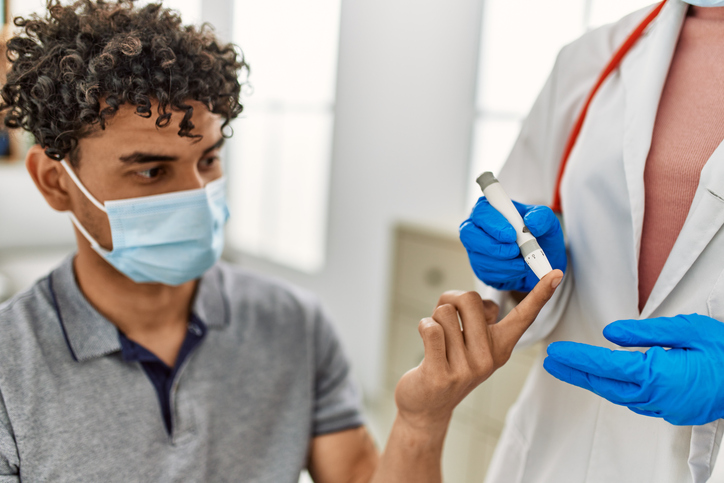
[Legacy] Are Coronavirus Patients Developing Diabetes? What You Need to Know
Ever since the first few cases of COVID-19 were reported, scientists and medical professionals have been wary about the condition’s effects. COVID-19 is said to have both short and long-term effects. One of the recent developments in researching the effects of COVID is the shocking link it has to diabetes. According…